






I. Introduction to HSK1 vocabulary
For absolute beginners learning Chinese, vocabulary is the foundation that determines how fast you can understand, communicate, and progress to higher levels. Among all Chinese proficiency tests, HSK Level 1 (HSK1) is designed specifically for learners who are just starting out and have basic knowledge of pinyin and pronunciation.

According to the official structure published by Chinesetest.cn, HSK1 focuses on daily-life communication and contains exactly 150 essential Chinese words that beginners are expected to master. These words cover basic pronouns, numbers, verbs, question words, and common expressions used in simple conversations.
II. HSK1 vocabulary list with pinyin and meaning
Learning HSK 1 vocabulary is easier when you know exactly what to focus on. This official list covers all 150 essential words used in basic Chinese communication, helping beginners build a clear foundation and study with confidence.
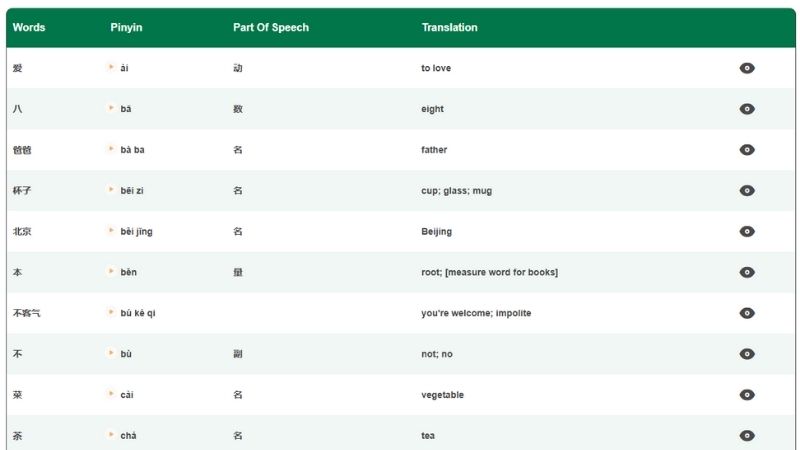
| No | Chinese | Pinyin | Meaning |
| 1 | 我 | wǒ | I / me |
| 2 | 你 | nǐ | you |
| 3 | 他 | tā | he / him |
| 4 | 她 | tā | she / her |
| 5 | 我们 | wǒmen | we / us |
| 6 | 你们 | nǐmen | you (plural) |
| 7 | 他们 | tāmen | they / them |
| 8 | 这 | zhè | this |
| 9 | 那 | nà | that |
| 10 | 哪 | nǎ | which |
| 11 | 哪儿 | nǎr | where |
| 12 | 谁 | shéi | who |
| 13 | 什么 | shénme | what |
| 14 | 怎么 | zěnme | how |
| 15 | 多少 | duōshao | how many / how much |
| 16 | 几 | jǐ | how many (small number) |
| 17 | 一 | yī | one |
| 18 | 二 | èr | two |
| 19 | 三 | sān | three |
| 20 | 四 | sì | four |
| 21 | 五 | wǔ | five |
| 22 | 六 | liù | six |
| 23 | 七 | qī | seven |
| 24 | 八 | bā | eight |
| 25 | 九 | jiǔ | nine |
| 26 | 十 | shí | ten |
| 27 | 零 | líng | zero |
| 28 | 今天 | jīntiān | today |
| 29 | 明天 | míngtiān | tomorrow |
| 30 | 昨天 | zuótiān | yesterday |
| 31 | 上午 | shàngwǔ | morning |
| 32 | 下午 | xiàwǔ | afternoon |
| 33 | 现在 | xiànzài | now |
| 34 | 点 | diǎn | o’clock |
| 35 | 分 | fēn | minute |
| 36 | 岁 | suì | years old |
| 37 | 是 | shì | to be |
| 38 | 有 | yǒu | to have |
| 39 | 在 | zài | to be at |
| 40 | 来 | lái | to come |
| 41 | 去 | qù | to go |
| 42 | 回 | huí | to return |
| 43 | 吃 | chī | to eat |
| 44 | 喝 | hē | to drink |
| 45 | 看 | kàn | to look / watch |
| 46 | 听 | tīng | to listen |
| 47 | 说 | shuō | to speak |
| 48 | 读 | dú | to read |
| 49 | 写 | xiě | to write |
| 50 | 学习 | xuéxí | to study |
| 51 | 工作 | gōngzuò | to work |
| 52 | 住 | zhù | to live |
| 53 | 买 | mǎi | to buy |
| 54 | 开 | kāi | to open |
| 55 | 坐 | zuò | to sit |
| 56 | 人 | rén | person |
| 57 | 家 | jiā | home / family |
| 58 | 学生 | xuésheng | student |
| 59 | 老师 | lǎoshī | teacher |
| 60 | 学校 | xuéxiào | school |
| 61 | 中国 | Zhōngguó | China |
| 62 | 商店 | shāngdiàn | shop |
| 63 | 医院 | yīyuàn | hospital |
| 64 | 饭店 | fàndiàn | restaurant |
| 65 | 水 | shuǐ | water |
| 66 | 茶 | chá | tea |
| 67 | 饭 | fàn | rice / meal |
| 68 | 钱 | qián | money |
| 69 | 书 | shū | book |
| 70 | 电视 | diànshì | television |
| 71 | 电脑 | diànnǎo | computer |
| 72 | 大 | dà | big |
| 73 | 小 | xiǎo | small |
| 74 | 多 | duō | many |
| 75 | 少 | shǎo | few |
| 76 | 好 | hǎo | good |
| 77 | 热 | rè | hot |
| 78 | 冷 | lěng | cold |
| 79 | 高兴 | gāoxìng | happy |
| 80 | 漂亮 | piàoliang | beautiful |
| 81 | 忙 | máng | busy |
| 82 | 很 | hěn | very |
| 83 | 太 | tài | too / very |
| 84 | 不 | bù | not |
| 85 | 没 | méi | not (past) |
| 86 | 吗 | ma | question particle |
| 87 | 呢 | ne | question particle |
| 88 | 的 | de | possessive particle |
| 89 | 了 | le | completed action |
| 90 | 和 | hé | and |
| 91 | 再 | zài | again |
| 92 | 都 | dōu | all |
| 93 | 上 | shàng | up / above |
| 94 | 下 | xià | down / below |
| 95 | 前 | qián | before / front |
| 96 | 后 | hòu | after / behind |
| 97 | 里 | lǐ | inside |
| 98 | 这儿 | zhèr | here |
| 99 | 那儿 | nàr | there |
| 100 | 个 | gè | general measure word |
| 101 | 本 | běn | measure word (books) |
| 102 | 块 | kuài | piece / currency unit |
| 103 | 杯 | bēi | cup |
| 104 | 件 | jiàn | item (clothes) |
| 105 | 名 | míng | person (formal) |
| 106 | 见 | jiàn | to see |
| 107 | 再见 | zàijiàn | goodbye |
| 108 | 请 | qǐng | please |
| 109 | 谢谢 | xièxie | thank you |
| 110 | 不客气 | bú kèqi | you’re welcome |
| 111 | 对不起 | duìbuqǐ | sorry |
| 112 | 没关系 | méi guānxi | it’s okay |
| 113 | 天 | tiān | day |
| 114 | 月 | yuè | month |
| 115 | 年 | nián | year |
| 116 | 时 | shí | time |
| 117 | 会 | huì | can / be able to |
| 118 | 想 | xiǎng | want / think |
| 119 | 喜欢 | xǐhuan | like |
| 120 | 爱 | ài | love |
| 121 | 给 | gěi | give |
| 122 | 找 | zhǎo | look for |
| 123 | 知道 | zhīdào | know |
| 124 | 认识 | rènshi | know / recognize |
| 125 | 名字 | míngzi | name |
| 126 | 朋友 | péngyou | friend |
| 127 | 老 | lǎo | old |
| 128 | 新 | xīn | new |
| 129 | 早 | zǎo | early |
| 130 | 晚 | wǎn | late |
| 131 | 对 | duì | correct |
| 132 | 错 | cuò | wrong |
| 133 | 远 | yuǎn | far |
| 134 | 近 | jìn | near |
| 135 | 左 | zuǒ | left |
| 136 | 右 | yòu | right |
| 137 | 中 | zhōng | middle |
| 138 | 外 | wài | outside |
| 139 | 东 | dōng | east |
| 140 | 西 | xī | west |
| 141 | 南 | nán | south |
| 142 | 北 | běi | north |
| 143 | 前面 | qiánmiàn | in front |
| 144 | 后面 | hòumiàn | behind |
| 145 | 里面 | lǐmiàn | inside |
| 146 | 外面 | wàimiàn | outside |
| 147 | 开始 | kāishǐ | start |
| 148 | 结束 | jiéshù | finish |
| 149 | 一起 | yìqǐ | together |
| 150 | 已经 | yǐjīng | already |
If you prefer to study offline or want a more structured way to review vocabulary, you can download the complete HSK 1 vocabulary PDF, which includes all 150 official words in a clean, easy-to-use format.
For a deeper understanding of how adverbs function in beginner Chinese sentences, you can also explore: 100+ Chinese Adverbs to Level Up Your Mandarin
III. How to study HSK1 vocabulary efficiently
Learning all 150 HSK1 vocabulary words does not require complicated methods, but it does require the right learning approach, especially for beginners who are still getting used to tones, pinyin, and Chinese sentence structure. When vocabulary study is combined with listening, speaking, and real usage, progress becomes much faster and more sustainable.
- Use flashcards the smart way: Flashcards work best when they include Chinese characters, pinyin, meaning, and audio. Digital flashcards with spaced repetition help reinforce memory and prevent forgetting. This method is especially effective when paired with a structured Chinese beginner roadmap.
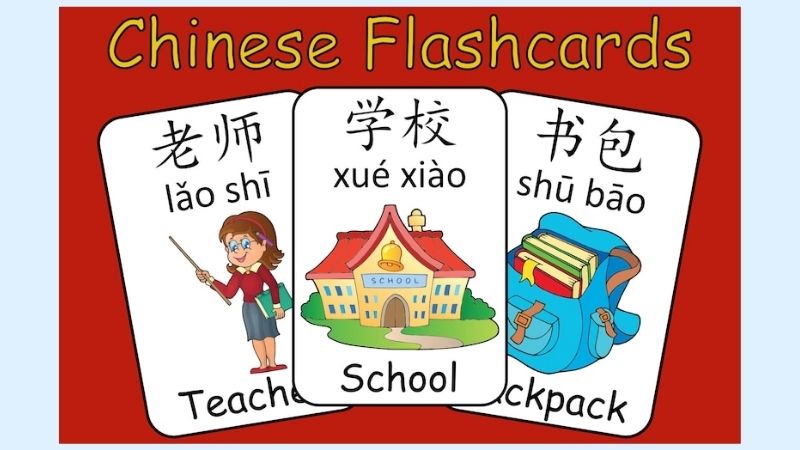
- Practice active recall instead of passive review: Rather than repeatedly reading word lists, actively test yourself by recalling meanings or pinyin before checking the answer. This strengthens long-term memory and prepares you better for real exam conditions, similar to the strategies used when learning Chinese fast and effectively.
- Connect HSK1 vocabulary to daily life situations: Words become easier to remember when they are linked to real-life contexts such as introducing yourself, ordering food, or asking simple questions. Watching short scenes from Chinese movies or dramas can also help you recognize how basic vocabulary is used naturally in conversations, as shown in Chinese movies.
- Learn vocabulary in context, not in isolation: Memorizing Chinese characters one by one can be overwhelming if you do not understand how they work together in sentences. Studying simple sentence patterns alongside vocabulary helps learners grasp meaning faster and improves character recognition.
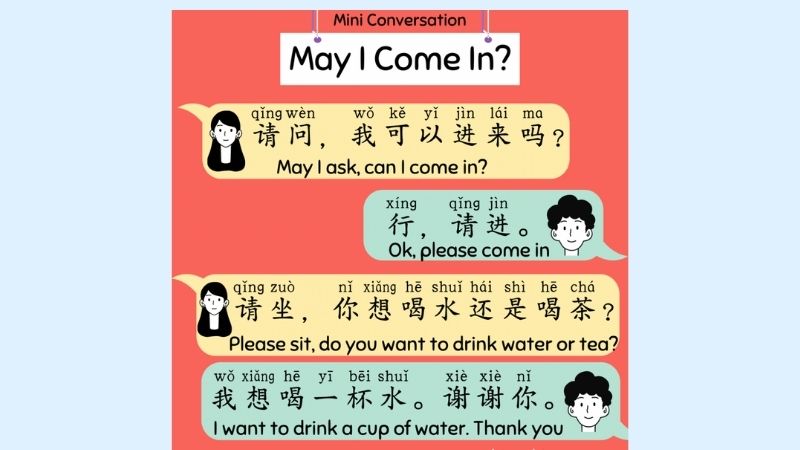
- Practice listening and speaking from the beginning: Even at the HSK1 level, listening and speaking should not be delayed. Repeating words aloud and mimicking Chinese pronunciation helps you avoid tone mistakes early on and builds confidence in basic communication.
Mastering the HSK 1 vocabulary is the first important step for anyone starting to learn Chinese. If you want to continue learning Chinese in a clear and structured way, explore the beginner-friendly resources and guided lessons available at Gurulango, where you can develop your vocabulary, listening, speaking, and overall Mandarin skills step by step.