






What is Mister in French?
“Monsieur” is the standard French word for “mister,” used to address an adult man politely, similar to “sir.” You’ll hear it often in everyday expressions like “Bonjour Monsieur” and “Excusez-moi Monsieur”. In writing, the abbreviation is “M.”, and the plural form is “Messieurs”.
How to pronounce Mister in French
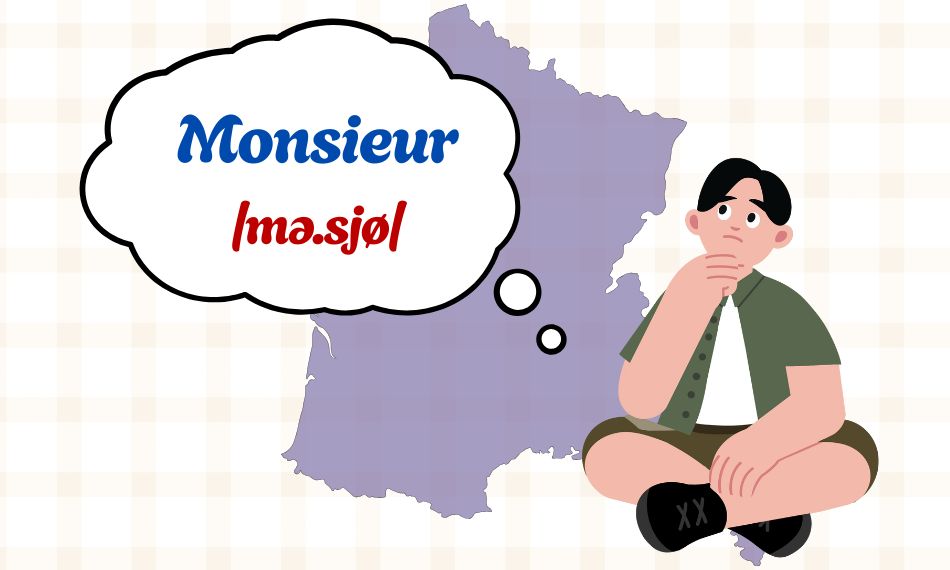
For anyone beginning to learn French, “monsieur” is pronounced /mə.sjø/,with the initial sound similar to a soft “meu.” The ending uses the French nasal vowel and the characteristic French uvular r, which is softer and produced deeper in the throat than the English r.
How to Use Mister in French
Understanding how to use “monsieur” correctly will help you communicate politely and naturally in everyday French conversations. GuruLango will guide you through these simple rules, and once you get familiar with them, you’ll notice the word appearing everywhere.
Use “Monsieur” as a Masculine Title
In French, “monsieur” is the standard polite title for addressing any adult man, and it does not indicate marital status, unlike “madame” or “mademoiselle.” It can be used in both formal and informal contexts, whether you are speaking to someone you know or addressing a stranger respectfully. Because it fits almost every situation, it is often one of the first titles learners master.
Example: Monsieur, votre commande est prête. (Sir, your order is ready.)
Use “Monsieur” Before a Name
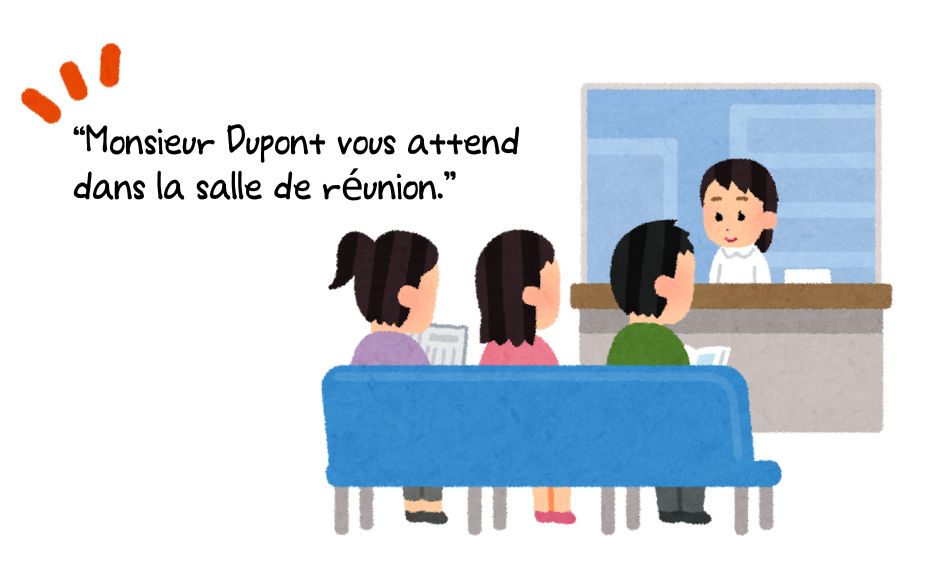
You can use “monsieur” before a family name to show respect or formality, which is common in workplaces, official settings, and customer-facing conversations. This structure works similarly to English expressions like “Mr. Smith,” helping identify someone clearly while maintaining a polite tone. French speakers also use it when introducing someone in a professional or courteous context, so it is a useful pattern for beginners to recognize.
Example: Monsieur Dupont vous attend dans la salle de réunion. (Mr. Dupont is waiting for you in the meeting room.)
Use “Monsieur” Alone
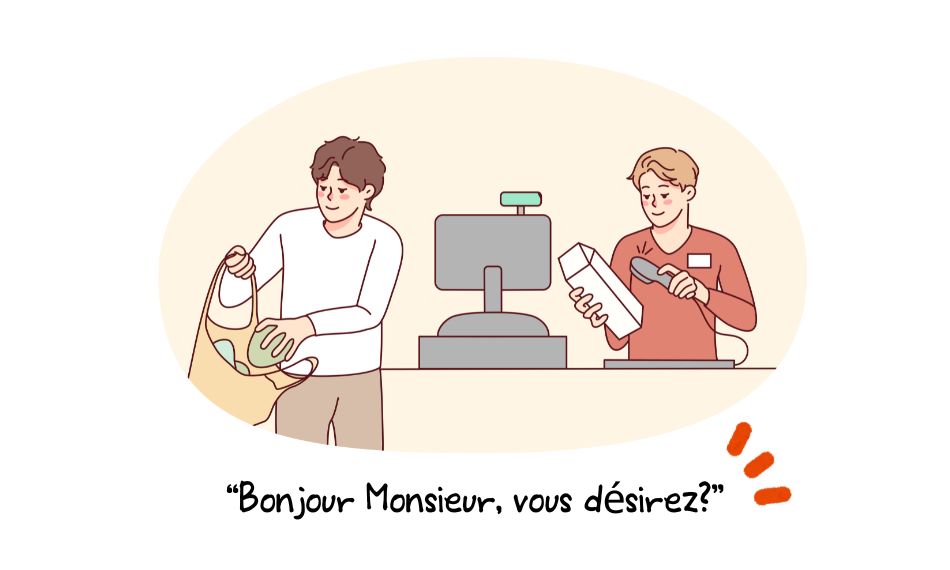
French speakers frequently use “monsieur” by itself when addressing someone directly in restaurants, shops, hotels, stations, or other public spaces. It is a polite way to get someone’s attention or begin a conversation, especially useful for travelers learning common French phrases for everyday interactions. Because it signals respect, it is widely used in customer service and hospitality contexts across French-speaking regions.
Example: Bonjour Monsieur, vous désirez ? (Good morning sir, how may I help you?)
Address Mixed Groups
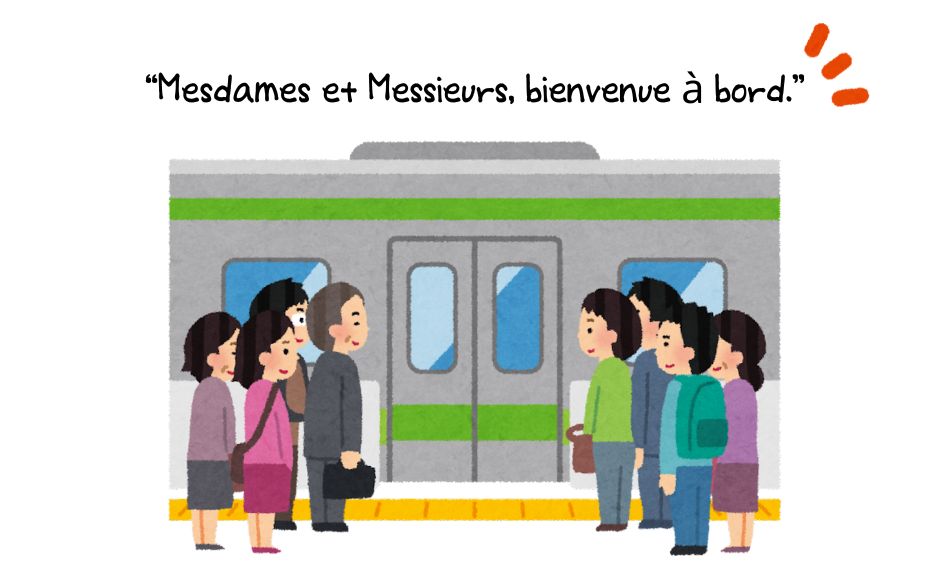
When speaking to a mixed-gender audience, French uses “messieurs” alone or pairs “mesdames” and “messieurs” together in formal or public settings. This phrasing appears in announcements, events, transportation, ceremonies, and any situation requiring a respectful collective greeting. Understanding this form helps learners follow public messages more easily and recognize how French titles shift when addressing groups rather than individuals.
Example: Mesdames et Messieurs, bienvenue à bord. (Ladies and gentlemen, welcome aboard.)
Essential Tips for Using Mister in French

Once you understand the basics of “monsieur,” a few simple habits can help you use it more confidently in everyday conversations. These practical tips make your French sound clearer, more polite, and more natural.
-
Use full titles when you speak: Saying “monsieur” aloud keeps your tone polite and is appropriate in most situations.
-
Use abbreviations in writing: The form “M.” is standard in letters, emails, forms, and official documents.
-
Pair the title with a name for clear communication: Using “Monsieur” plus a family name avoids ambiguity and adds a respectful tone.
-
Listen to how native speakers use these forms: Pay attention to greetings, announcements, and customer service situations to hear natural usage.
-
Practice with short sentences or simple dialogs: Repeating everyday phrases helps you master pronunciation and feel more comfortable using “monsieur.”
Final Thoughts
Learning how to use mister in French correctly gives you a solid foundation for polite, natural communication. Now that you understand its meaning, pronunciation, abbreviation, and everyday uses, you can start applying “monsieur” confidently. To continue improving, explore GuruLango’s beginner-friendly French lessons and structured courses designed to help you progress step by step.
FAQs
1. What is the French title for Mr.?
The French title for “Mr.” is “Monsieur,” which is used to address any adult man politely. It functions the same way as “Mr.” in English and appears frequently in both spoken and written French.
2. Is it monsieur or messieur?
The correct singular form is “monsieur,” used to address one man. The plural form is “messieurs,” which is used when speaking to or referring to multiple men. The spelling changes, but the pronunciation remains similar.
3. What is Mr. and Mrs. in French?
In French, “Monsieur” corresponds to “Mr.” and “Madame” corresponds to “Mrs.” These titles are used in both formal and everyday situations when addressing adults respectfully in conversation or in writing.
4. What is the title sir in French?
The equivalent of “sir” in French is also “Monsieur,” which serves as both a polite title and a respectful form of address. It appears commonly in greetings, customer service interactions, and polite questions.