





I. Why learn French books can help you
French books do more than add new words to your notebook. They place the language in real situations, so you can see how words, grammar, and sentence patterns work together.
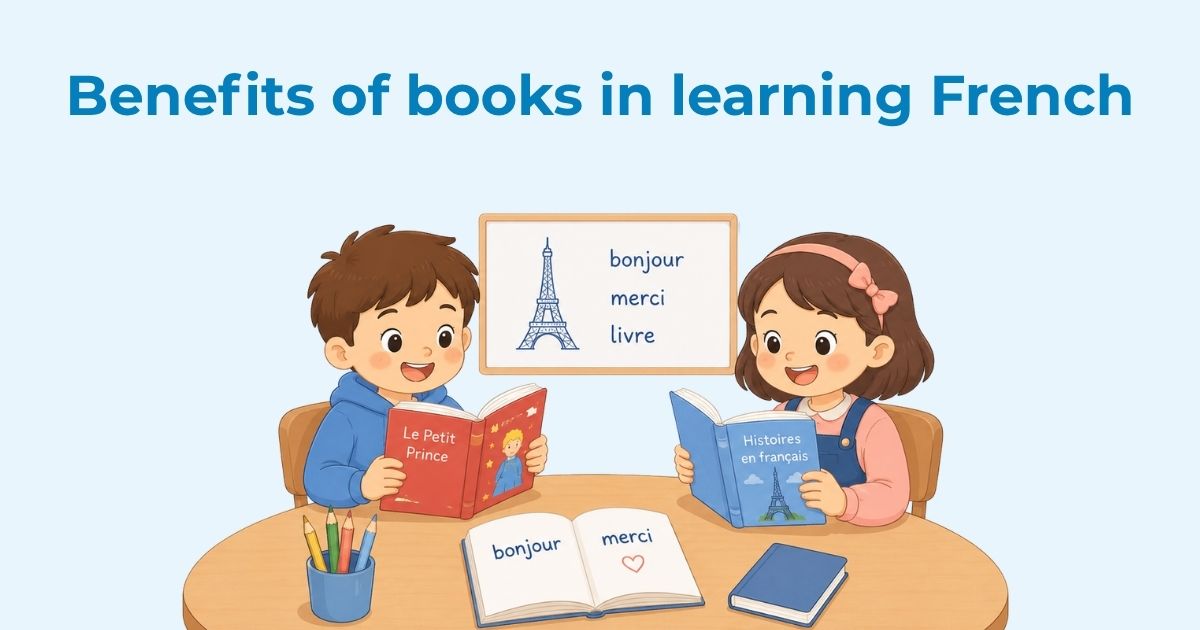
A good learn French book can help because it gives you:
- More memorable vocabulary: Words are easier to learn when they belong to a story, a dialogue, or a familiar topic. You understand not only what a word means, but also how it is actually used.
- Grammar in a natural setting: French grammar can feel dry when you study it rule by rule. Books show how sentence patterns, verb forms, articles, and prepositions work together in real sentences.
- Better reading confidence: Short chapters, repeated phrases, and familiar situations help you read with less hesitation. Over time, French starts to feel less like a code and more like a language you can follow.
- More motivation to continue: A useful book gives you a reason to keep going. A story or character can make French feel more rewarding than another list of exercises.
II. Features of good French books for beginners
So, how do you choose the right book when there are so many options out there? Let Gurulango walk you through the key features to look for in an ideal learn French book for beginners:
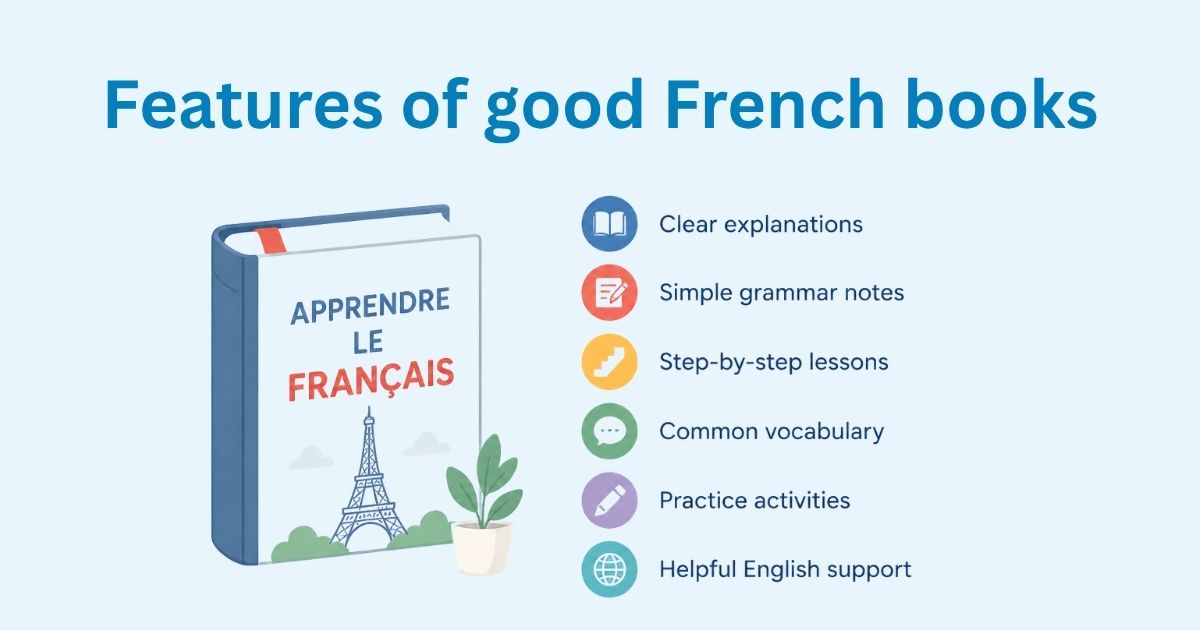
- Clear explanations
- Simple grammar notes
- Step-by-step lesson structure
- Short and practical examples
- Common everyday vocabulary
- Easy sentence patterns
- Short chapters or small learning sections
- Practice activities after each topic
- Helpful English support when needed
- Interesting stories or real-life topics
For beginners, the best book is not always the thickest or most famous one. It is the book that makes French feel approachable from the first few pages.
III. Top 6 best learn French books for beginners
Not sure where to start? Here are six beginner-friendly learn French books that are easy to follow and worth reading.
1. Le Petit Prince
- Author: Antoine de Saint-Exupéry
- Type: Classic novella
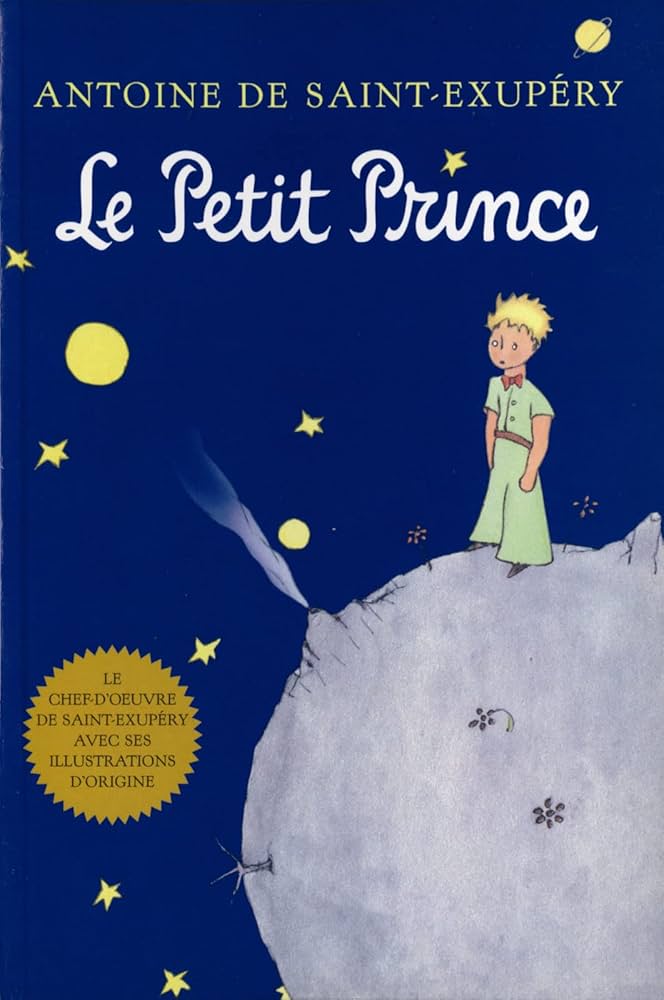
Le Petit Prince follows a young prince who leaves his tiny planet and meets different characters on his journey. The story uses simple scenes to talk about friendship, love, loneliness, and the way adults see the world.
Why is it good for beginners:
- Short chapters
- Clear storytelling
- Simple but meaningful sentences
- Common words about people, places, and feelings
- Strong cultural value in French literature
Best for: A2-B1 learners, story lovers, and beginners moving beyond textbooks.
2. Le Petit Nicolas
- Author: René Goscinny
- Type: Illustrated short story collection
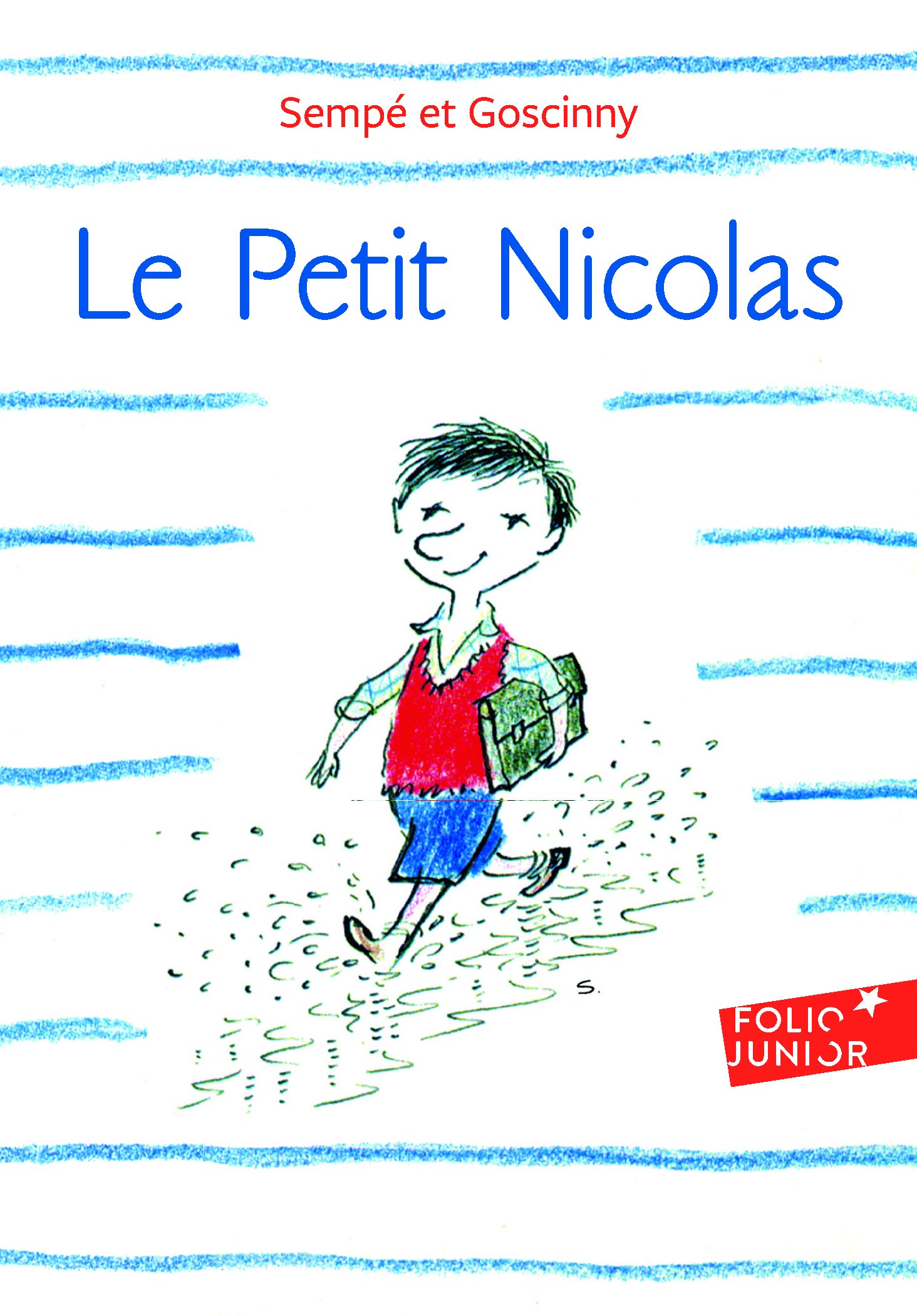
This funny series is about Nicolas, a mischievous French schoolboy with a very lively view of the world. Each story captures small everyday moments at school, at home, or with friends. The language feels close to real life, so learners can pick up useful expressions without feeling stuck in textbook French.
Why is it good for beginners:
- Short and funny stories
- Everyday school and family vocabulary
- Natural dialogues
- Clear situations
- A playful look at French childhood
Best for: A2-B1 learners, visual learners, and readers who enjoy humorous stories.
3. Short Stories in French for Beginners
- Author: Olly Richards
- Type: Graded reader
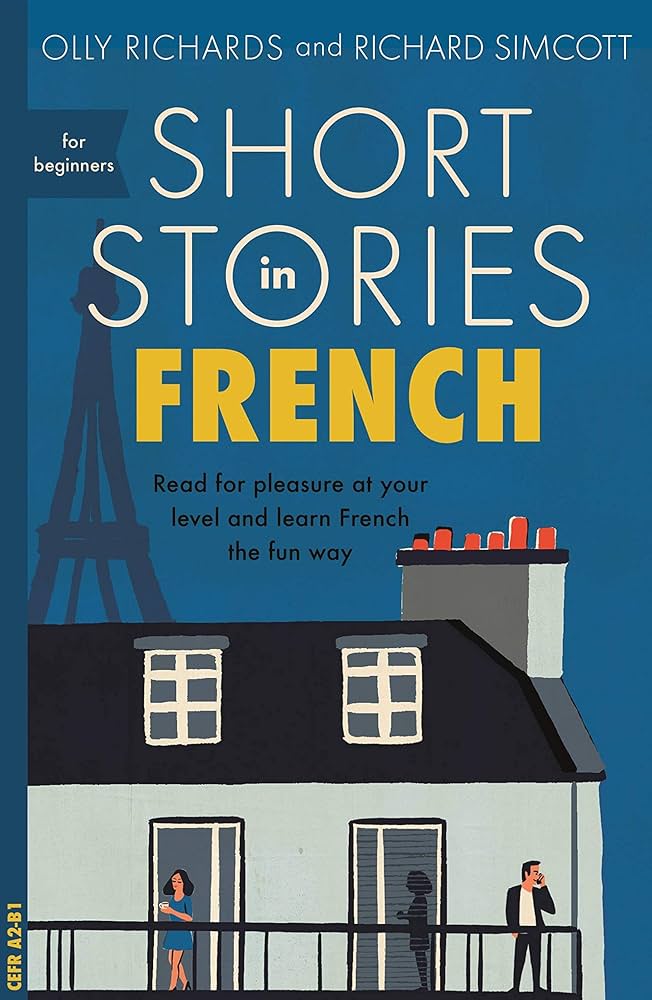
Short Stories in French for Beginners is made for people who are still building confidence in French. The stories are short, clear, and paced for learners, so you do not have to fight through native-level writing too early. This learn French book is a smart choice if you want structure without losing the fun of reading.
Why is it good for beginners:
- Stories written for learners
- Practical vocabulary in context
- Natural word repetition
- Glossaries and comprehension questions
- Easier pacing than native French fiction
Best for: A1-A2 learners, self-learners, and beginners who want guided reading practice.
4. Tintin Series
- Author: Hergé
- Type: Comic book series
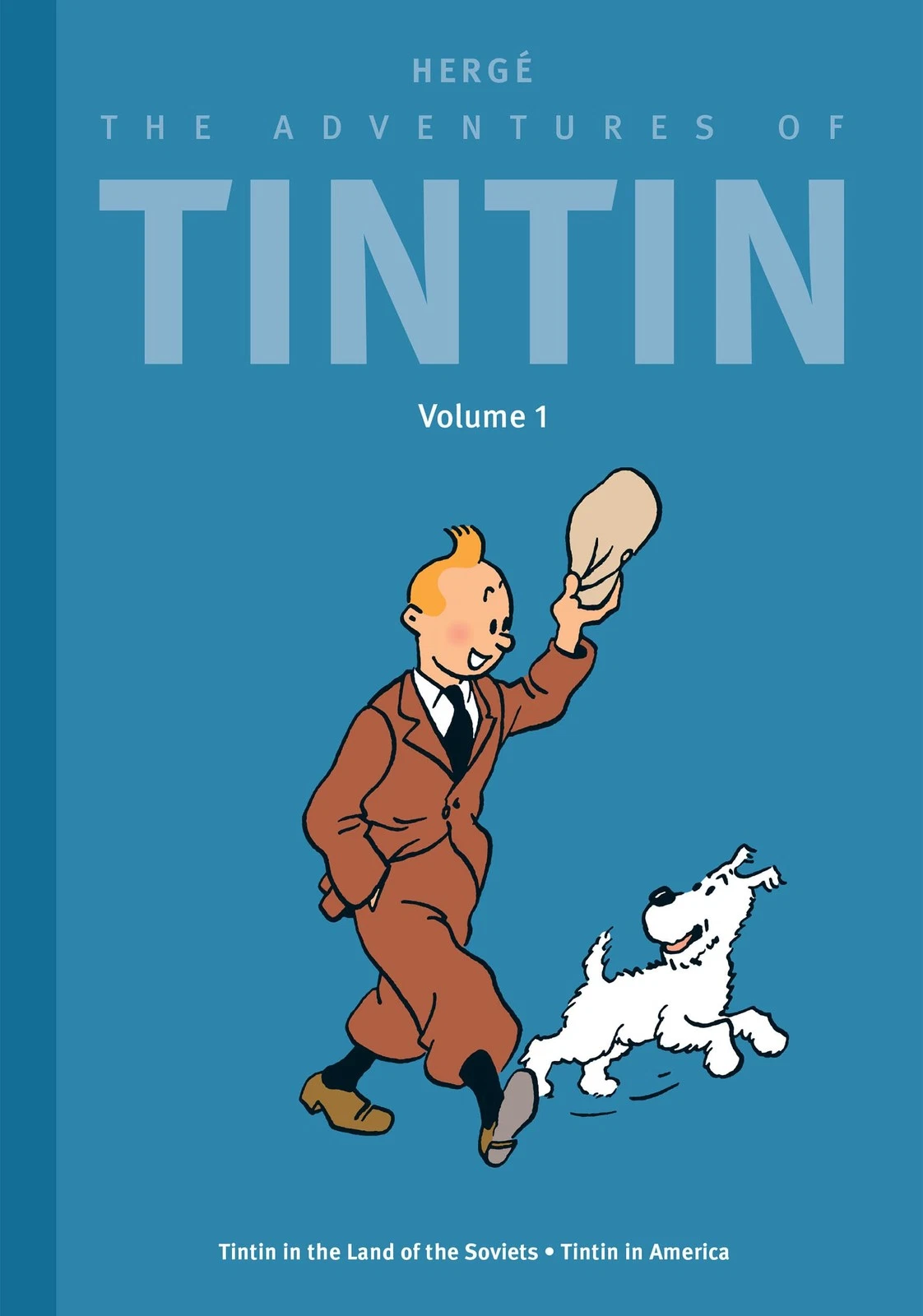
The Tintin Series is a smart pick for learners who want French reading to feel less heavy. Each story follows Tintin, a young reporter, as he gets pulled into mysteries, travels, and fast-moving adventures. The pictures do a lot of the work, so you can understand the scene even when a few words are new.
Why is it good for beginners:
- Strong visual support
- Short dialogue lines
- Adventure-based stories
- Useful everyday expressions
- Easier context clues than text-only books
Best for: A2-B1 learners, comic readers, and visual learners who enjoy adventure stories.
5. Vendredi ou la Vie sauvage
- Author: Michel Tournier
- Type: Short adventure novel
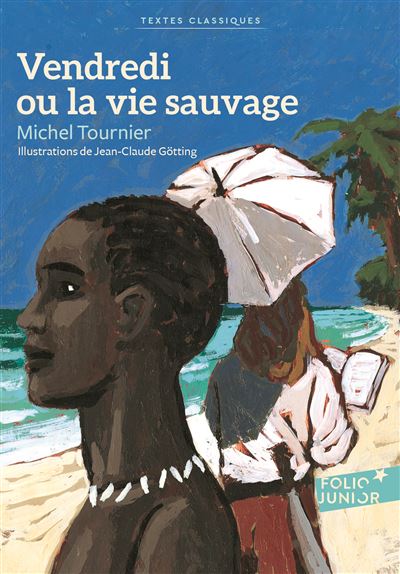
Vendredi ou la Vie sauvage retells the Robinson Crusoe story in a simpler and more accessible way. Robinson survives a shipwreck and tries to control life on a deserted island. His view changes after he meets Vendredi, who teaches him a different way to understand nature and freedom. This learn French book is a good choice for learners who want a real story with clear themes and a stronger literary feel.
Why is it good for beginners:
- Clear adventure plot
- Shorter than many classic novels
- Useful words about nature and survival
- Strong themes of freedom and friendship
- Suitable bridge from learner books to literature
Best for: A2-B1 learners, adventure readers, and beginners ready for a more literary text.
6. French All-in-One for Dummies
- Author: The Experts at Dummies
- Type: Beginner textbook
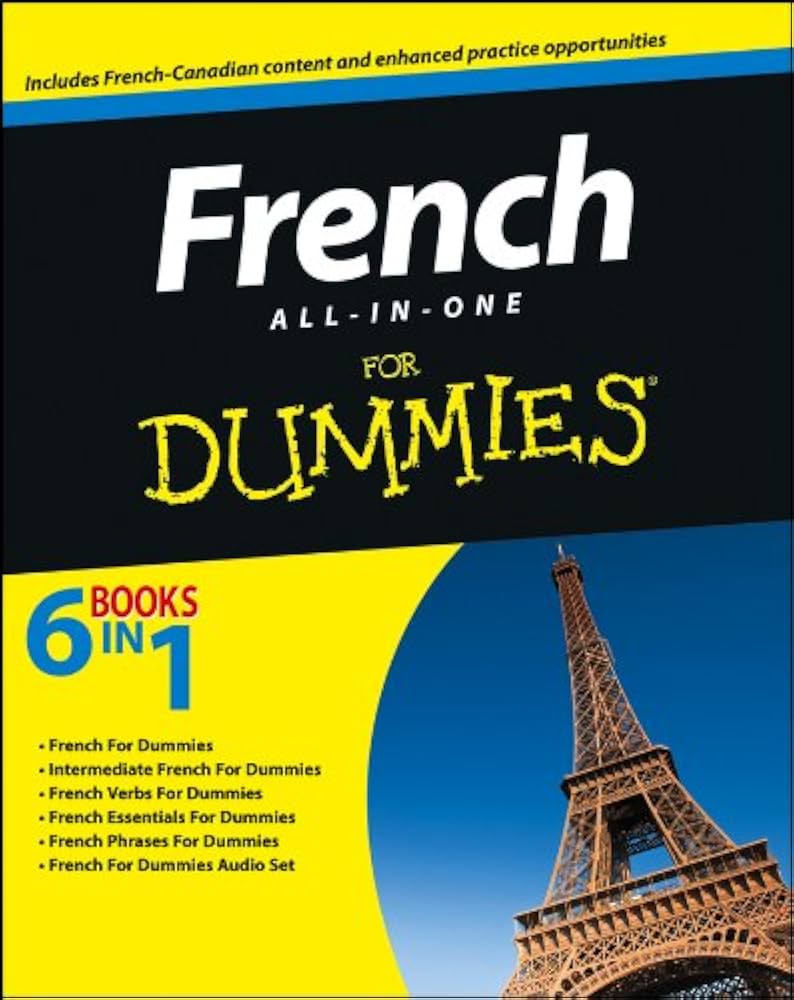
The book covers key areas such as pronunciation, grammar, vocabulary, phrases, and everyday situations. If you want a learn French book that feels more like a complete study companion, this one can help you build the basics before moving into French stories.
Why is it good for beginners:
- Clear beginner explanations
- Grammar and vocabulary in one book
- Practical phrases for daily situations
- Useful as a reference guide
- Good support before reading native books
Best for: Absolute beginners, self-learners, and learners who want structured lessons before reading stories.
IV. Methods for beginner readers in French
A good book is only half of the process. The way you read also matters. At the beginner stage, you just need to follow the main idea and keep building confidence.
- Take notes on useful vocabulary: Write down words that appear often or feel useful in real life. Skip rare words for now.
- Read the English version first: For harder books, the English version can help you understand the plot. After that, the French text will feel easier to follow.
- Choose a book you enjoy: A fun story will keep you reading longer than a “serious” book you do not like.
- Read in small sections: A few pages a day is enough. Short and regular reading is better than forcing a long chapter.
- Guess before using a dictionary: Try to guess the meaning from the sentence first. This helps you become a more independent reader.
- Reread short passages: The second read is usually smoother. You will notice words and patterns you missed the first time.
V. Other ways to learn French besides books
A good learn French book can build your foundation, but French should not stay on the page. To improve faster, you also need to hear the language, see it in real situations, and review vocabulary regularly.
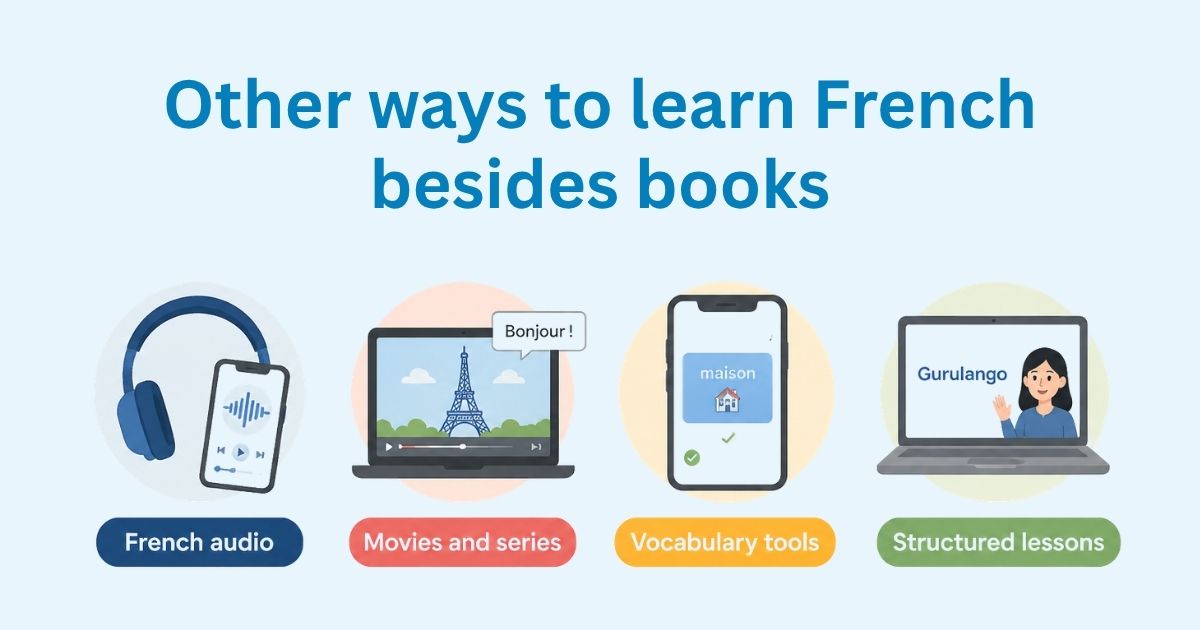
- French audio: Podcasts, audiobooks, and slow French recordings help you get used to pronunciation and rhythm. Start with short clips so the language feels manageable.
- Movies and series: French films and shows expose you to natural expressions, tone, and everyday conversations. French subtitles can help you connect spoken words with written forms.
- Vocabulary learning tools: Apps are useful for daily review, especially when you want to remember new words through repetition. They work best as a support tool, not as your only learning method.
- Structured lessons with Gurulango: A guided course can help you learn French with a clearer path. You can build vocabulary by topic, understand how to use new words, and avoid learning random lists.
Books give you context. Audio helps you recognize the sound of French. Regular practice helps turn both into real progress.
Conclusion
Gurulango hopes this guide helps you find the right learn French book for your starting point. Choose a book that feels clear, read at your own pace, and let French become more familiar day by day.